Explore our network of country and industry based websites to access localized information, product offerings, and business services across our group.
Log in to start sending quotation requests for any product.
Don't have an account? Sign Up Here
Home Blood Meal Market Insights: Applications, Buyers, and Global Sourcing Trends
Trade Insights | Applications and Buyers | 27 July 2026

Understanding Blood Meal and Its Commercial Importance
Blood Meal Applications Across Agriculture and Fertilizer Industries
Why Blood Meal Is Valuable for Organic Nitrogen Supply
Key Buyers and Industries Using Blood Meal
Blood Meal Market Trends and Global Business Opportunities
Sourcing Blood Meal: Supplier Selection and Procurement Considerations
Sources
Future Outlook for Blood Meal in Sustainable Agriculture
Conclusion: Building Reliable Blood Meal Supply Strategies
Sources
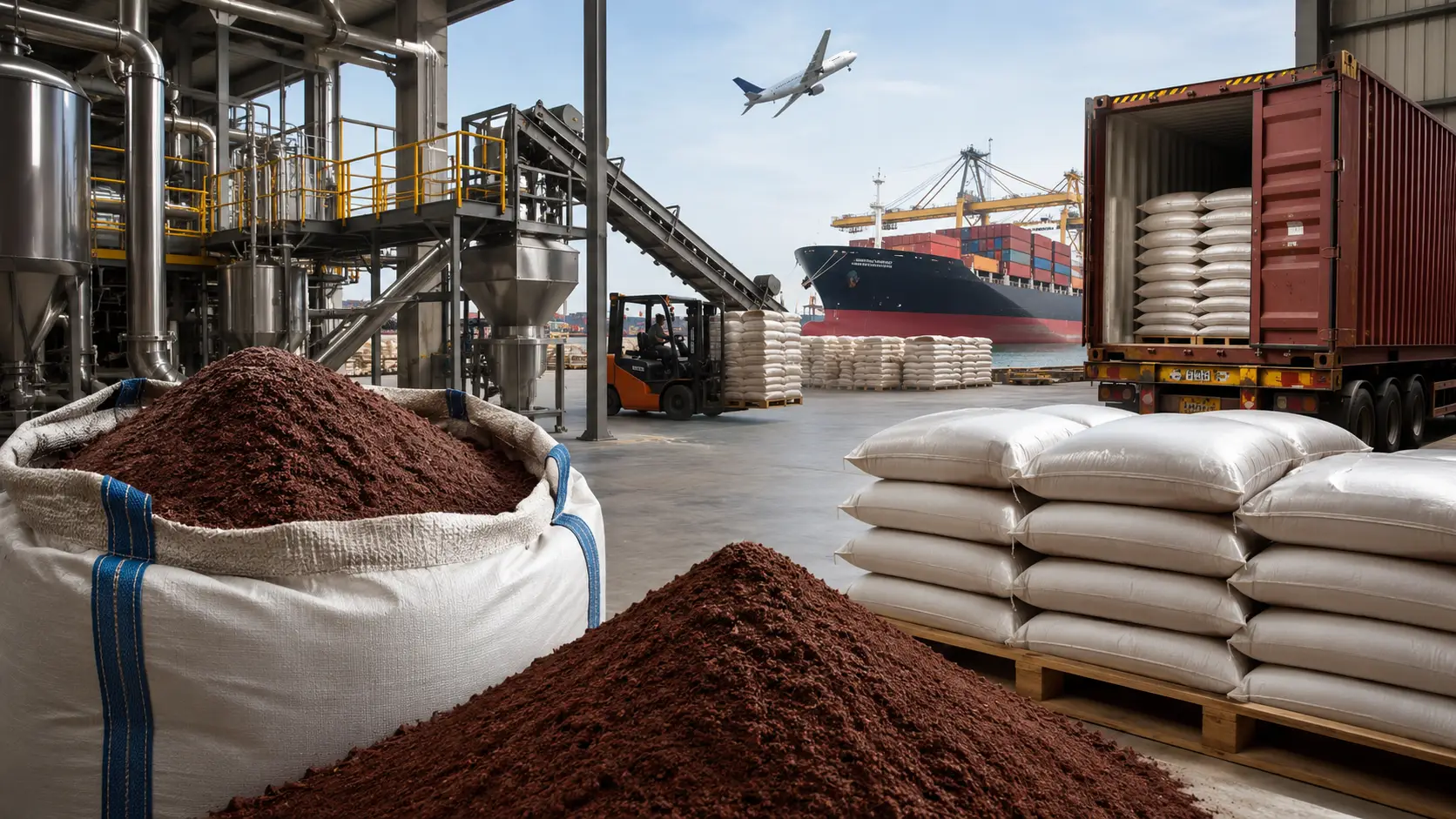
Blood meal is an animal-derived organic material produced by processing and drying animal blood into a concentrated nitrogen-rich powder. It is widely recognized as a natural source of organic nitrogen and is commonly used in agricultural formulations, particularly in organic fertilizer production.
For industrial buyers, blood meal represents a specialized agricultural raw material with established demand among fertilizer manufacturers, soil amendment producers, and distributors. Its high nitrogen content makes it valuable for applications requiring gradual nutrient release and sustainable soil improvement solutions.
Blood meal is traded internationally as an agricultural input because of its compatibility with organic farming systems and environmentally focused agricultural practices. Buyers typically evaluate factors such as nutrient concentration, processing standards, consistency, and supplier reliability when selecting sources.
The commercial value of blood meal extends beyond traditional farming applications. As global agriculture moves toward sustainable nutrient management, demand for organic fertilizer ingredients continues to increase, creating opportunities for suppliers and distributors involved in international B2B trade.
Blood meal plays an important role in agricultural supply chains by serving as a functional ingredient for fertilizer producers. Manufacturers combine it with other organic materials to develop nutrient blends designed for different crops, soil conditions, and farming systems.
For distributors and agricultural product companies, sourcing high-quality blood meal enables access to a growing segment of environmentally conscious customers. Reliable supply networks are essential because fertilizer producers require consistent raw material availability for large-scale production.
The product is commonly traded through agricultural ingredient suppliers, organic fertilizer manufacturers, and international marketplaces connecting producers with industrial buyers. Efficient sourcing helps companies maintain competitive pricing and stable inventory levels.
As agricultural markets become more focused on sustainable inputs, blood meal continues to gain relevance as a renewable nutrient source that supports the transition toward organic and responsible farming practices.
One of the primary applications of blood meal is as a nitrogen-rich ingredient in organic fertilizer manufacturing. Fertilizer producers use it to formulate products designed to improve soil fertility and support plant growth through natural nutrient release.
Blood meal is especially relevant for crop production systems requiring additional nitrogen without relying exclusively on synthetic fertilizer sources. Its organic origin makes it suitable for manufacturers developing natural and environmentally preferred fertilizer products.
Commercial fertilizer companies often incorporate blood meal into granular fertilizers, soil amendments, and specialty agricultural formulations. These applications create steady demand from manufacturers seeking dependable sources of organic nitrogen materials.
For B2B buyers, understanding the technical characteristics of blood meal helps determine whether the product meets formulation requirements, regulatory expectations, and end-user market needs.
Blood meal is used in agricultural and horticultural markets where nitrogen availability is essential for plant development. Farmers, growers, and professional landscaping suppliers use nitrogen-based soil amendments to support healthy vegetation and improve soil nutrient management.
In horticulture, blood meal is valued by producers developing organic growing solutions for vegetables, flowers, ornamental plants, and specialty crops. Its compatibility with organic cultivation methods contributes to its commercial attractiveness.
Agricultural distributors supplying organic farming products often include blood meal among their portfolio of soil improvement materials. This creates opportunities for suppliers capable of meeting regional demand and quality requirements.
The continued expansion of sustainable farming practices supports wider adoption of organic fertilizer ingredients, strengthening the market position of blood meal in agricultural applications.
Blood meal is primarily valued because of its concentrated nitrogen content, which supports its role as an organic nutrient source. The material provides a natural alternative for fertilizer manufacturers seeking nitrogen-containing ingredients for agricultural products.
Unlike many conventional fertilizer inputs, blood meal originates from animal processing by-products, allowing it to contribute to resource utilization and circular economy practices. This characteristic aligns with sustainability goals across agricultural industries.
Manufacturers consider blood meal attractive because it combines nutrient functionality with an organic positioning. This enables companies to develop products targeting customers interested in environmentally responsible farming solutions.
For procurement teams, selecting blood meal suppliers with consistent specifications is important to ensure reliable fertilizer performance and customer satisfaction.
The use of blood meal supports circular economy principles by converting animal processing residues into commercially useful agricultural materials. This approach reduces waste while creating additional value from existing biological resources.
Sustainability-focused agricultural companies increasingly evaluate raw materials based on environmental impact, renewable sourcing potential, and compatibility with responsible production systems. Blood meal aligns with these considerations.
For fertilizer businesses, incorporating sustainable ingredients can strengthen product differentiation and meet growing market demand for organic solutions. This creates opportunities for suppliers positioned within sustainable agricultural supply chains.
As environmental awareness increases among farmers and consumers, blood meal’s role as a recycled nutrient resource is expected to remain commercially relevant.
The largest commercial buyers of blood meal are typically fertilizer manufacturers producing organic and specialty fertilizer products. These companies purchase blood meal in bulk quantities to incorporate into formulations for agricultural markets.
Manufacturers require suppliers capable of delivering consistent product quality, dependable logistics, and competitive commercial terms. Long-term supplier relationships are often preferred because fertilizer production depends on stable raw material availability.
Agricultural input companies also purchase blood meal for distribution under their own product portfolios. These businesses focus on sourcing materials that meet market expectations for organic and sustainable farming products.
Understanding buyer requirements helps suppliers position blood meal effectively within the global agricultural raw material market.
Distributors and wholesalers represent another important buyer segment for blood meal. They connect manufacturers with regional agricultural markets by managing storage, logistics, and customer relationships.
International traders seek reliable blood meal suppliers who can support cross-border transactions, documentation requirements, and consistent shipment schedules. These factors influence supplier selection in global B2B markets.
Trade platforms provide opportunities for buyers and sellers to connect efficiently, compare supply options, and develop international business relationships.
For companies entering the blood meal market, understanding distributor expectations is essential for building sustainable commercial partnerships.
The increasing adoption of sustainable agriculture is influencing demand for organic fertilizer ingredients such as blood meal. Farmers and agricultural companies are exploring alternatives that support soil health while reducing dependence on conventional inputs.
This market shift creates opportunities for suppliers offering reliable organic materials with clear quality specifications. Companies involved in agricultural raw material trading can benefit from expanding interest in sustainable products.
Market growth is also supported by increasing consumer preference for organically produced food and environmentally responsible farming practices.
As sustainability becomes a stronger purchasing factor, blood meal suppliers with transparent sourcing and consistent quality may gain stronger market positioning.
Global trade networks continue to create opportunities for blood meal suppliers and buyers to access new markets. International sourcing allows fertilizer producers to secure materials based on availability, pricing, and regional demand.
Successful B2B transactions depend on supplier credibility, product documentation, logistics capability, and compliance with destination market requirements.
Digital marketplaces are becoming increasingly important for connecting agricultural raw material suppliers with global buyers searching for competitive sourcing options.
For companies participating in international trade, blood meal represents a niche but valuable product category within the broader agricultural ingredient sector.
Selecting the right blood meal supplier requires careful evaluation of product quality, production capability, and supply reliability. Buyers typically assess specifications, processing methods, packaging options, and delivery capacity before establishing partnerships.
A dependable supplier should provide consistent product information and support transparent communication throughout the purchasing process.
Procurement teams also consider supplier experience in international trade, especially when purchasing bulk quantities for industrial applications.
Strong supplier relationships help companies maintain stable operations and respond effectively to changing market conditions.
B2B marketplaces provide an efficient channel for buyers searching for agricultural raw materials. These platforms allow companies to discover suppliers, compare sourcing opportunities, and streamline procurement processes.
For blood meal buyers, marketplace access can improve supplier visibility and support international purchasing strategies.
Suppliers can use digital platforms to reach fertilizer manufacturers, distributors, and agricultural businesses across different regions.
As global trade becomes increasingly digital, online sourcing channels are expected to play a larger role in connecting specialized agricultural material suppliers with commercial buyers.
The future outlook for blood meal remains connected to the continued development of organic agriculture and sustainable fertilizer markets. As industries seek renewable nutrient sources, demand for specialized organic inputs is expected to remain important.
Agricultural manufacturers are increasingly exploring ingredient options that combine performance, sustainability, and market appeal.
Blood meal’s established role as an organic nitrogen source positions it as a relevant material within evolving agricultural supply chains.
Companies that invest in reliable sourcing networks and quality management will be better positioned to capture future market opportunities.
Suppliers can benefit from increasing demand by improving production consistency, expanding distribution networks, and strengthening international trade capabilities.
Buyers can gain competitive advantages by developing long-term sourcing strategies with trusted suppliers who understand industrial requirements.
The growth of sustainable agriculture creates opportunities for collaboration between producers, distributors, and end-user industries.
Blood meal is expected to remain a commercially relevant agricultural input as businesses continue seeking efficient and responsible nutrient solutions.
Blood meal serves as an important organic nitrogen source with applications across fertilizer manufacturing, agriculture, and sustainable farming markets. Its commercial relevance is driven by both functional benefits and increasing interest in renewable agricultural inputs.
For buyers, successful procurement depends on identifying suppliers capable of delivering consistent quality, reliable logistics, and suitable commercial solutions.
For suppliers, expanding global connections and understanding buyer requirements can create opportunities within the growing organic fertilizer sector.
As sustainable agriculture continues to develop, blood meal remains a valuable product category for businesses seeking dependable agricultural raw materials and long-term market opportunities.
Sources
We're committed to your privacy. Tradeasia uses the information you provide to us to contact you about our relevant content, products, and services. For more information, check out our privacy policy.


 English
 Indonesian
 简体字
简体字
 العربية
 Español
 Français
 Português
 日本語
日本語
 한국어
한국어
 Tiếng Việt