Explore our network of country and industry based websites to access localized information, product offerings, and business services across our group.
Log in to start sending quotation requests for any product.
Don't have an account? Sign Up Here
Home Blood Meal Procurement Guide: Sourcing Strategies for Fertilizer Buyers
Trade Insights | Supply Chain | 27 July 2026

Understanding Blood Meal and Its Role in Agricultural Supply Chains
Blood Meal Production Process and Quality Considerations
Key Agricultural Applications of Blood Meal
Global Blood Meal Market Demand and Industry Trends
Factors Buyers Consider When Sourcing Blood Meal
Building a Reliable Blood Meal Supply Chain for B2B Trade
Conclusion: Future Opportunities in Blood Meal Procurement
Sources
Blood meal is an animal-derived organic material widely recognized as a concentrated nitrogen source used in agricultural applications. Produced from processed animal blood, it provides essential nutrients that support soil fertility and plant growth. Its high nitrogen content makes it an important input for organic fertilizer manufacturers, agricultural suppliers, and crop nutrition companies.
The increasing demand for sustainable farming solutions has strengthened interest in natural fertilizer ingredients such as blood meal. Farmers and agricultural businesses are seeking alternatives that improve soil health while reducing dependence on synthetic nutrient sources. This shift has created new opportunities for suppliers involved in organic agricultural input distribution.
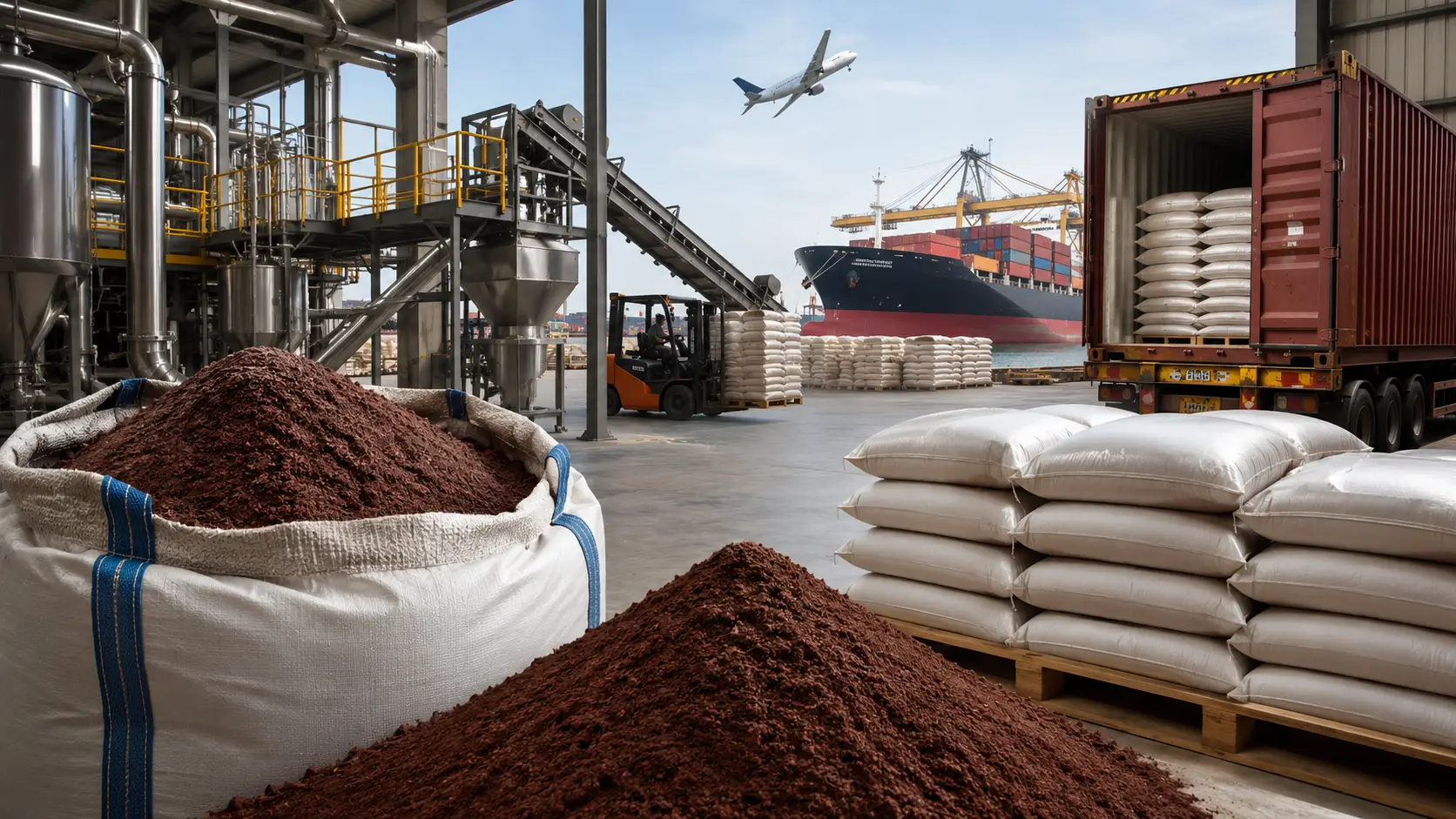
Within the agricultural supply chain, blood meal connects multiple industries, including animal processing, fertilizer manufacturing, distribution networks, and crop production. Efficient supply chain management ensures consistent availability, quality control, and reliable delivery for industrial buyers.
For B2B buyers, sourcing blood meal requires understanding supplier capabilities, production capacity, transportation requirements, and compliance standards. A stable supply chain helps fertilizer producers and distributors maintain product availability for their downstream customers.
Blood meal production involves collecting animal blood from approved processing facilities and applying controlled drying methods to create a stable powdered product. Processing conditions influence characteristics such as nutrient concentration, moisture content, and storage stability.
Manufacturers must maintain proper handling procedures throughout production to preserve product quality. Consistent processing standards are important for buyers who require dependable raw materials for fertilizer formulation and agricultural applications.
Quality evaluation is a critical part of blood meal procurement. Buyers typically assess factors including nitrogen content, moisture levels, microbial safety, packaging standards, and documentation. These parameters help determine whether the material meets requirements for commercial fertilizer production.
Reliable suppliers provide technical information and quality documentation that supports purchasing decisions. For international trade, transparent specifications and consistent quality assurance contribute to stronger supplier relationships.
One of the primary uses of blood meal is as an ingredient in organic fertilizer formulations. Its nitrogen-rich composition makes it suitable for blending with other natural materials to create balanced crop nutrition products.
Fertilizer manufacturers incorporate blood meal into various formulations designed for agricultural markets. Demand from organic farming sectors continues to support interest in naturally derived nitrogen sources with established agricultural performance.
Blood meal is also used in soil improvement programs where additional nitrogen availability is required. Agricultural professionals use it to support plant development, particularly in crops that require higher nitrogen inputs during growth cycles.
The application of blood meal depends on crop type, soil conditions, and nutrient management strategies. Buyers supplying agricultural markets must consider regional farming practices when planning inventory and distribution.
The global agriculture industry is increasingly focused on sustainable production methods, creating demand for renewable and naturally derived fertilizer ingredients. Blood meal benefits from this trend because it utilizes animal processing byproducts while providing agricultural value.
As sustainability becomes a larger consideration in procurement decisions, companies involved in organic fertilizer supply chains are evaluating reliable sources of natural nutrient materials. This trend supports continued market interest in blood meal products.
Suppliers operating in the blood meal market can access opportunities by supporting agricultural manufacturers, distributors, and farming-related businesses. Strong logistics networks and consistent product availability are important competitive factors in international trade.
B2B marketplaces provide additional channels for connecting producers with global buyers. Digital sourcing platforms help companies compare suppliers, evaluate product specifications, and establish new trade relationships.
For industrial buyers, supplier reliability is one of the most important factors in procurement decisions. Companies need partners capable of maintaining stable production volumes and meeting delivery schedules.
Evaluating supplier experience, export capability, and supply continuity helps buyers reduce risks associated with raw material shortages. Long-term partnerships are often built around consistent quality and dependable logistics performance.
International blood meal sourcing requires attention to documentation, packaging, transportation conditions, and regulatory expectations. Buyers often require clear product specifications and shipment information before completing procurement agreements.
Suppliers that provide transparent documentation can improve buyer confidence and simplify international purchasing processes. Effective communication between suppliers and buyers supports smoother global transactions.
Supply chain transparency allows buyers to understand product origin, processing methods, and delivery pathways. This information supports quality management and helps companies meet internal procurement standards.
For blood meal suppliers, demonstrating traceability and operational reliability can strengthen their position in competitive global markets. Transparency also supports stronger relationships between manufacturers, distributors, and end users.
Modern B2B marketplaces are changing how agricultural raw materials are sourced internationally. Buyers can use digital platforms to identify suppliers, review product information, and communicate with potential business partners more efficiently.
Trade platforms such as Chemtradeasia and Tradeasia support connections between global suppliers and industrial buyers seeking agricultural and chemical-related products. Digital sourcing improves market accessibility and helps businesses expand their international procurement networks.
Blood meal continues to hold strategic importance within sustainable agriculture supply chains due to its role as an organic nitrogen source. Increasing demand for environmentally responsible farming inputs creates opportunities for manufacturers, suppliers, and distributors.
Companies involved in agricultural procurement can benefit from understanding market trends, supplier capabilities, and logistics requirements. A well-managed sourcing strategy supports business continuity and customer satisfaction.
The future of blood meal supply depends on reliable production, quality management, and efficient international trade connections. Buyers seeking competitive advantages should prioritize supplier relationships, transparent sourcing, and consistent product standards.
As agricultural industries continue evolving toward sustainable solutions, blood meal remains a valuable material for fertilizer producers and agricultural businesses worldwide. Effective supply chain management will remain a key factor in supporting future market growth.
Food and Agriculture Organization of the United Nations (FAO)
United States Department of Agriculture (USDA)
Association of American Plant Food Control Officials (AAPFCO)
We're committed to your privacy. Tradeasia uses the information you provide to us to contact you about our relevant content, products, and services. For more information, check out our privacy policy.


 English
 Indonesian
 简体字
简体字
 العربية
 Español
 Français
 Português
 日本語
日本語
 한국어
한국어
 Tiếng Việt