Explore our network of country and industry based websites to access localized information, product offerings, and business services across our group.
Log in to start sending quotation requests for any product.
Don't have an account? Sign Up Here
Home Millet Commodity Trade: Global Supply Chain, Sourcing, and Export Markets
Trade Insights | Supply Chain | 23 July 2026

Millet Market Overview and Global Supply Chain Development
Millet Production Landscape and International Trade Flow
Millet Applications Across Food and Feed Industries
Buyer Requirements and Procurement Considerations for Millet
Supply Chain Challenges and Market Risk Management
Global Sourcing Strategies for Millet Buyers and Distributors
Future Outlook of the Millet B2B Marketplace and Trade Opportunities
Conclusion: Building Reliable Millet Supply Partnerships
Sources
Millet has become an increasingly important agricultural commodity due to its versatility, nutritional profile, and adaptability to different climatic conditions. As global industries seek alternative grains for food production and animal nutrition, millet supply chains are receiving greater attention from international buyers, distributors, and processors. The growing demand for sustainable agricultural products has strengthened millet’s position within global grain trading networks.
The international millet market is supported by rising consumption across food, beverage, and livestock sectors. Millet is recognized as a valuable grain due to its high fiber content, energy contribution, and suitability for gluten-free food applications. In animal feed markets, millet serves as a source of carbohydrates and nutrients for poultry, livestock, and specialty feed formulations.
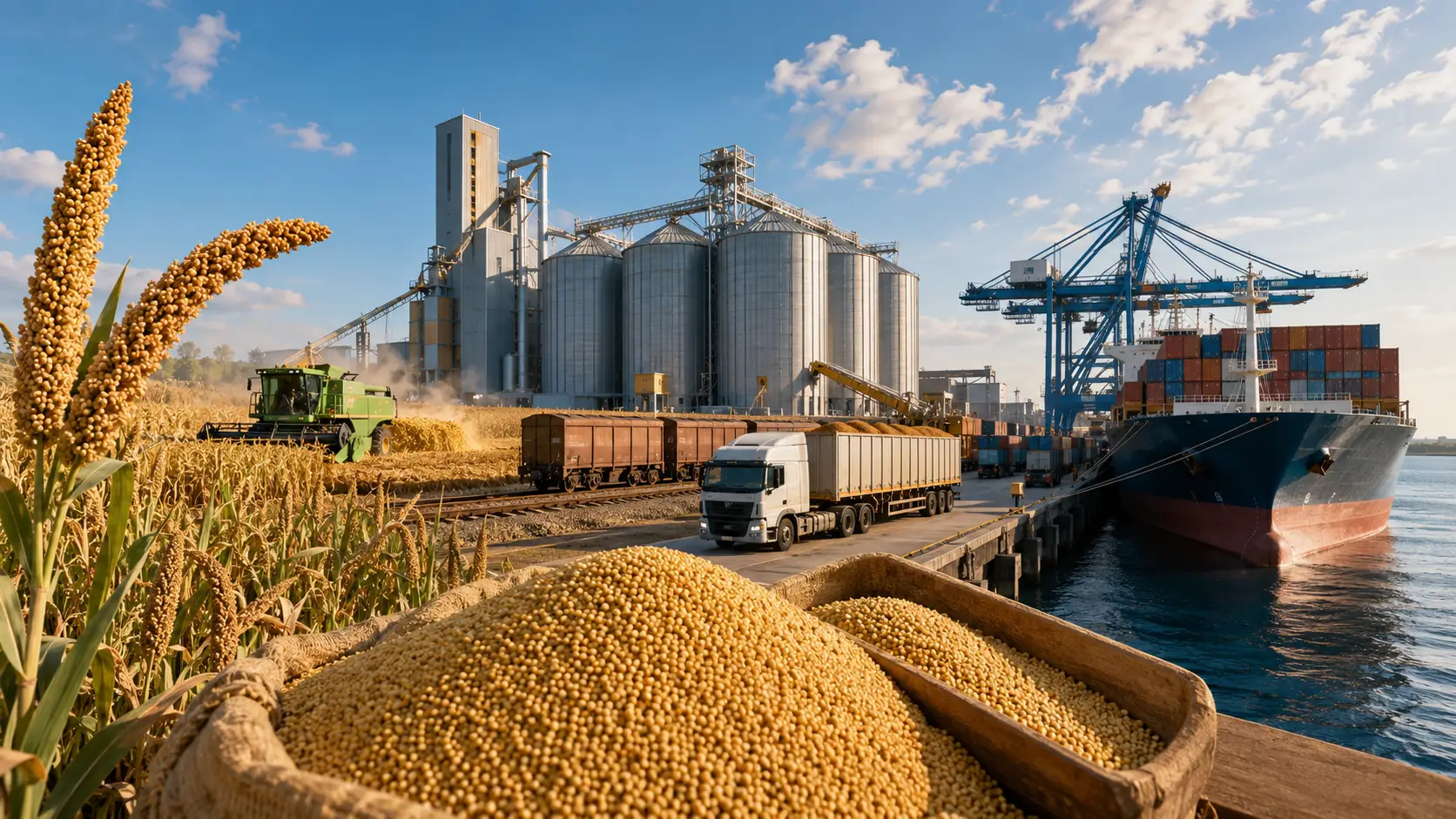
The millet supply chain involves farmers, aggregators, processors, exporters, logistics providers, and industrial buyers. Efficient coordination between these participants determines product availability, quality consistency, and competitive pricing. Major producing regions supply both domestic markets and international destinations where demand continues to expand.
Global millet trade is influenced by agricultural output, weather conditions, transportation costs, and regional consumption patterns. Market participants increasingly focus on establishing reliable supplier networks to reduce procurement risks and maintain stable inventory levels throughout the year.
Millet production is concentrated in regions where the crop can thrive under dry conditions and limited water availability. Countries across Asia and Africa represent important production centers, with additional cultivation occurring in parts of Europe and the Americas. These production zones provide the foundation for international millet sourcing activities.
The supply chain begins with agricultural production and continues through cleaning, grading, storage, and export preparation. Industrial buyers typically evaluate suppliers based on production capacity, quality management systems, documentation standards, and export experience.
International millet distribution depends on established trade routes connecting producing regions with food manufacturers, feed producers, and commodity distributors. Exporters play a critical role in managing documentation, quality verification, and shipment coordination to meet buyer requirements.
Bulk millet shipments are commonly transported through agricultural commodity channels where reliability and consistency are key purchasing factors. Global buyers increasingly prefer suppliers capable of offering stable volumes, competitive pricing, and transparent supply chain information.
Millet is widely used in food manufacturing due to its nutritional characteristics and processing flexibility. It can be incorporated into cereals, bakery products, snacks, flour-based products, and health-oriented food formulations. The increasing consumer interest in alternative grains has expanded opportunities for millet-based ingredients.
Food manufacturers sourcing millet require consistent grain quality, proper storage conditions, and reliable supply availability. Suppliers that can meet industrial processing standards are better positioned to serve international food production companies.
The animal feed sector represents another important application area for millet. Feed manufacturers use millet as an energy-rich grain ingredient in poultry, livestock, and specialty feed formulations. Its digestibility and nutritional contribution make it suitable for blended feed products.
Feed producers prioritize suppliers that can deliver consistent quality, competitive pricing, and dependable logistics. As feed markets expand globally, demand for alternative grain ingredients continues to support millet trade growth.
Industrial buyers evaluate millet suppliers based on grain specifications, moisture levels, purity, contamination control, and supply capacity. Quality consistency is essential because food processors and feed manufacturers require predictable raw materials for continuous production.
Procurement teams often consider supplier certifications, export documentation, packaging options, and previous international trading experience. Reliable suppliers help buyers minimize operational disruptions and maintain production efficiency.
Millet pricing is influenced by harvest conditions, transportation expenses, regional availability, and global demand trends. Buyers monitor commodity market movements to determine optimal purchasing strategies and manage cost fluctuations.
Long-term sourcing agreements and diversified supplier networks can provide greater price stability. B2B marketplaces enable buyers to compare suppliers, evaluate sourcing options, and improve procurement efficiency.
Millet supply chains face challenges related to weather variability, seasonal production cycles, and agricultural input costs. Changes in rainfall patterns or crop yields can directly affect availability and international pricing.
Supply chain participants reduce these risks through inventory planning, multiple sourcing locations, and collaboration with experienced agricultural suppliers. Effective risk management supports continuous product availability for industrial buyers.
Transportation and storage are important components of millet supply chain management. Proper handling prevents quality deterioration during storage and shipment, especially for international trade operations involving long-distance transportation.
Buyers increasingly seek suppliers with strong logistics capabilities, including export documentation expertise and efficient shipment coordination. These factors contribute to smoother international procurement processes.
Successful millet sourcing depends on developing strong relationships with producers, exporters, and commodity suppliers. Buyers benefit from working with partners who understand international trade requirements and can provide consistent supply solutions.
A reliable sourcing strategy includes supplier assessment, market monitoring, and communication throughout the procurement process. These practices help companies secure stable access to quality millet products.
Digital B2B marketplaces are transforming agricultural commodity sourcing by connecting buyers with global suppliers. Platforms supporting millet trade provide greater visibility into supplier capabilities, product availability, and international sourcing opportunities.
For procurement teams, online marketplace solutions simplify supplier discovery and improve purchasing efficiency. These platforms support transparent communication between global buyers and agricultural commodity suppliers.
The future millet market is expected to benefit from increasing demand for sustainable crops, alternative grains, and diversified feed ingredients. Food and feed industries are exploring agricultural commodities that provide nutritional value while supporting resilient farming systems.
Millet’s ability to grow in challenging environments makes it an attractive option for future agricultural supply strategies. This creates additional opportunities for exporters, distributors, and industrial buyers.
International millet trade is expected to become more connected as companies seek dependable global sourcing channels. Improved logistics infrastructure, digital procurement platforms, and stronger supplier networks will continue shaping the marketplace.
Businesses involved in millet trading can benefit from understanding regional supply trends, buyer expectations, and emerging application opportunities. Strategic sourcing will remain essential for maintaining competitiveness in global markets.
Millet plays an important role in modern agricultural supply chains by supporting food manufacturing, animal nutrition, and commodity trading industries. Reliable sourcing networks, quality management, and efficient logistics are essential factors for successful international procurement.
As demand for versatile grain ingredients continues to grow, buyers and suppliers must focus on transparency, consistency, and long-term collaboration. Strong supply chain partnerships enable companies to respond effectively to changing market conditions.
Tradeasia International provides a platform for connecting global buyers with trusted suppliers across agricultural commodity markets. Through international trade expertise, supplier networks, and B2B marketplace solutions, companies can explore efficient sourcing opportunities for millet and related products.
By supporting transparent communication and reliable procurement processes, Tradeasia helps businesses strengthen their supply strategies and participate effectively in global commodity trade.
We're committed to your privacy. Tradeasia uses the information you provide to us to contact you about our relevant content, products, and services. For more information, check out our privacy policy.


 English
 Indonesian
 简体字
简体字
 العربية
 Español
 Français
 Português
 日本語
日本語
 한국어
한국어
 Tiếng Việt